
Jan 05, 2026
Unlocking the Power of Personalisation for Local Businesses
Discover how AI-driven personalisation can transform your local business and boost customer loyalty beyond expectations.
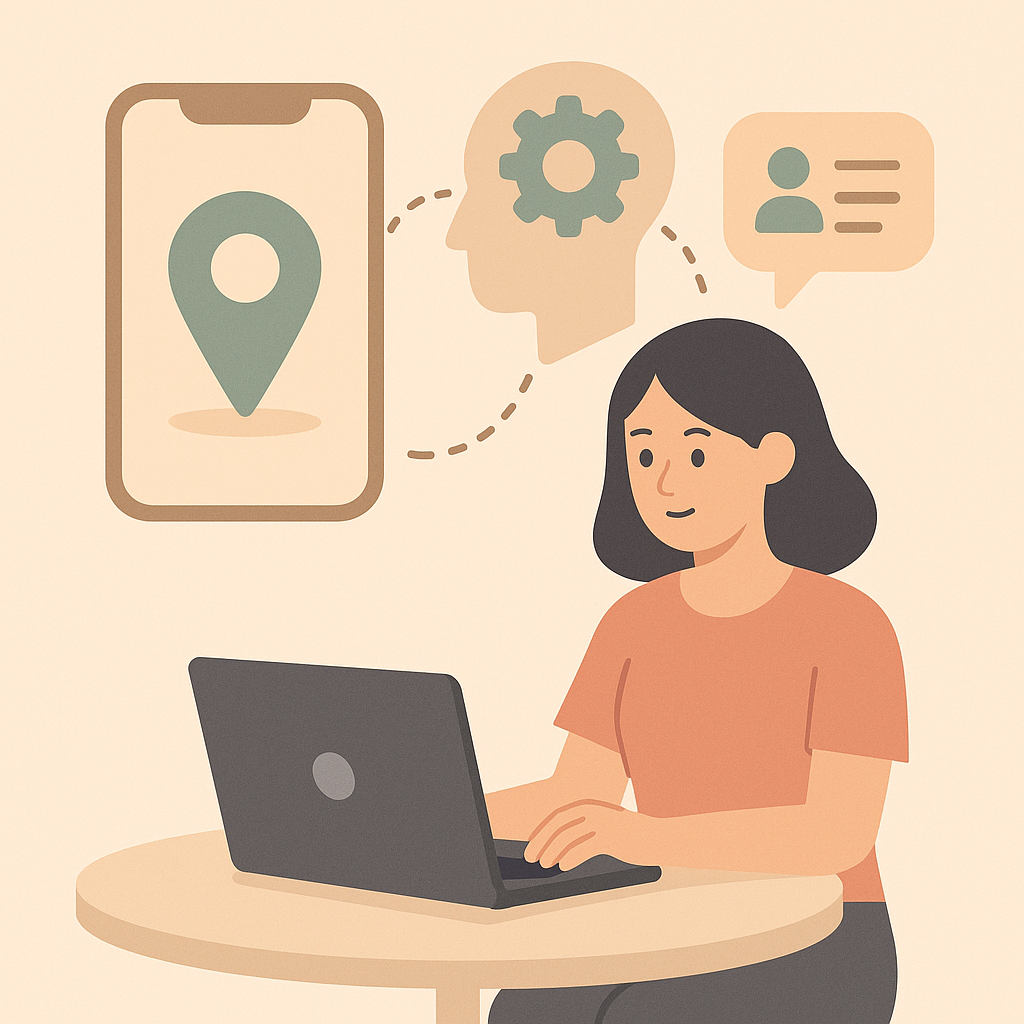
Unlocking the Power of Personalisation for Local Businesses
Personalisation has become a buzzing term in digital marketing circles, but what does it truly mean for local businesses? Imagine walking into your favourite coffee shop, and the barista knows just how you like your latte. They greet you by name and have your order ready before you even step up to the counter. That’s personalisation in action.
AI tools can help replicate this warm, familiar experience online, ultimately giving local businesses an edge in customer retention and engagement. In this post, we’ll explore how harnessing AI for personalisation can significantly impact your local business, helping you connect with customers on a deeper level.
Why Personalisation Matters
In our fast-paced lives, consumers crave a sense of belonging and recognition. According to recent studies, 80% of consumers are more likely to make a purchase when brands offer personalised experiences. This demand is not just a trend; it’s a shift in how we expect to interact with businesses.
For local businesses, this means crafting tailored messages and offers that resonate with the local community. With AI, you can leverage customer data to offer more than just generic advertisements—instead, you can provide customised experiences that reflect their preferences and shopping habits.
The Role of AI in Personalisation
AI unlocks opportunities for local businesses to mine data from consumer interactions, online behaviour, and purchase histories. Here’s how:
- Data Analysis: AI can analyse vast amounts of data from social media, email responses, and customer reviews to uncover trends and preferences.
- Predictive Analytics: By using machine learning algorithms, AI can predict future buying behaviours, allowing businesses to create targeted marketing strategies.
- Dynamic Content Creation: Change your website’s content based on who’s visiting. For instance, if a local bakery’s website detects a returning visitor, it can highlight their favourite pastries.
- Customer Segmentation: Divide your audience into segments based on their preferences. This allows for tailored promotions that speak directly to individual needs.
Real-Life Example: The Local Boutique
Let’s consider a quaint local boutique in town, “Stylish Threads.” They decided to implement an AI-driven personalisation strategy by leveraging customer data collected through their website and social media interactions.
Upon analysing the data, they found a significant group of customers had shown interest in eco-friendly fashion. Stylish Threads used this insight to send personalised emails promoting their new eco-friendly collection. They even sent out special discounts tailored for previous buyers.
The result? The boutique saw a 30% increase in sales within the first month of this initiative! More importantly, they strengthened their relationship with existing customers, making them feel valued and understood.
Tips for Implementing AI Personalisation in Your Business
Now that we understand the benefits, how can you implement AI-driven personalisation in your local business? Here are some practical steps:
- Invest in AI Tools: Look for platforms that specialise in AI analytics and customer engagement. Tools like HubSpot, Mailchimp, and Salesforce offer robust solutions tailor-made for personalisation.
- Collect Customer Data: Use promotional sign-ups and surveys to gather valuable data, being sure to keep privacy in mind. The more you know about your customers, the better you can curate their experiences.
- Create Segmented Campaigns: Rather than sending the same message to everyone, create various segments in your audience and develop tailored campaigns for each.
- Track Engagement: Use analytics to monitor how customers engage with your personalised content. Learn from these insights and adjust your strategy accordingly.
- Feedback Loop: Encourage customers to provide feedback on their experiences. This can be invaluable as it shows your commitment to improving their service.
Challenges and Considerations
While AI offers amazing potential for personalisation, it’s vital to be aware of challenges like:
- Data Privacy: Ensure that you are compliant with GDPR and other regulations regarding customer data.
- Over-Personalisation: While tailored messages can be effective, too much personalisation can feel invasive. Strike the right balance.
Conclusion
In today’s competitive landscape, personalising your customer’s journey can make all the difference in growing your local business. By embracing AI tools, you can transform the way you interact with customers, making them feel special and valued. Remember, it’s all about building strong relationships. A personalised approach not only helps in retaining your current customers but also attracts new ones, all while establishing your brand as a community staple.
So, get cracking on those tailored strategies! Your customers are waiting for a connection that goes beyond the ordinary.